Blog

  • Pink Himalayan Salt vs Regular Salt – Is It Really Healthier?

    Pink Himalayan Salt vs Regular Salt – Is It Really Healthier?

    Reasons People Prefer It Over Regular Salt

    Pink Himalayan salt has become extremely popular in kitchens, spas, and wellness communities. Its soft pink color and “natural” image make many people believe it is healthier than regular table salt. Here are the main reasons why people choose it — along with what science really says.
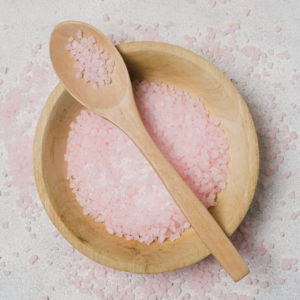
    Pink Himalayan salt
    Pink Himalayan salt

    1. It Contains Trace Minerals

    Pink Himalayan salt naturally includes tiny amounts of minerals such as magnesium, potassium, calcium, and iron. These minerals are what give the salt its pink color. Regular table salt is heavily refined and usually contains only sodium chloride.

    Many people like the idea of getting small amounts of extra minerals from their salt, even though the actual amounts are very small. (more…)


  • How Arrow Drippers Improve Efficient Garden Watering

    Arrow drippers are especially useful in gardens where plants have different water needs. For example, flowering plants, vegetables, and fruit trees often require different amounts of water. By using adjustable arrow drippers, you can fine-tune the water supply for each plant instead of watering everything equally. This helps prevent overwatering some plants while underwatering others.

    (more…)

  • Soil Preparation For Your Plants

    Soil Preparation For Your Plants

    How you prepare the soil for planting seeds or cuttings, or for repotting, depends on the type of plant involved. There are considerations that are generally true for almost all houseplants and

    specific items and measurements that are unique to a species.

    Nutrients

    Water, nitrogen and phosphorus, and many other chemicals are needed to sustain plant growth for any plant. Unlike mammals, obviously, plants receive the majority of their needed nutrients through the soil. (more…)

  • Manila Tamarind (Seema Chintakaya)

    Manila Tamarind (Seema Chintakaya)

    Have you ever stumbled upon a twisted, green pod on a tree, cracked it open, and found a sweet, tangy pulp inside? If you live in a tropical climate, you might have met the Manila Tamarind, known in Telugu as Seema Chintakaya (సీమ చింతకాయ).

    This isn’t your regular tamarind. It’s a hidden superfruit that’s not only delicious but also packed with incredible health benefits. Let’s dive into the fascinating world of this underappreciated tree!

    (more…)

  • The Ultimate Guide to Watering Your Plants: 20 Pro Tips You Need to Know

    The Ultimate Guide to Watering Your Plants: 20 Pro Tips You Need to Know

    Watering seems like the simplest part of plant care, yet it’s often where most gardeners go wrong. Too much love can be just as harmful as neglect. Mastering the art of watering is the key to unlocking a lush, vibrant, and healthy garden. Whether you’re a seasoned green thumb or a budding plant parent, these 20 essential tips will ensure your plants get the perfect drink every time.

    The Golden Rules: When and How to Water

    1. Timing is everything. The best time to water is in the early morning or late evening. This allows water to soak deep into the soil before the sun’s heat can cause rapid evaporation.

    2. Check Before You Water. Don’t just water on autopilot. Before reaching for the hose, check if the soil is dry an inch or two below the surface. Overwatering is a common cause of root rot.

    3. Deep Soaks Beat Light Sprinkles. Water plants deeply and thoroughly, ensuring the entire root system is saturated. This encourages strong, deep roots, making plants more resilient to drought.

    4. Mind the Temperature. Use room-temperature water. Ice-cold water straight from the tap can shock plant roots, especially in sensitive houseplants.

    5. Target the Base. Always aim your water at the soil around the base of the plant, not the leaves. This delivers moisture directly to the roots and helps prevent fungal diseases.

    (more…)