Reasons People Prefer It Over Regular Salt
Pink Himalayan salt has become extremely popular in kitchens, spas, and wellness communities. Its soft pink color and “natural” image make many people believe it is healthier than regular table salt. Here are the main reasons why people choose it — along with what science really says.
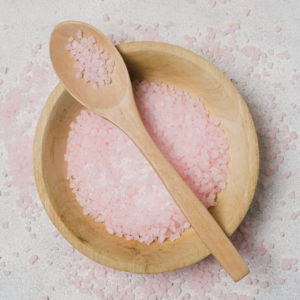
1. It Contains Trace Minerals
Pink Himalayan salt naturally includes tiny amounts of minerals such as magnesium, potassium, calcium, and iron. These minerals are what give the salt its pink color. Regular table salt is heavily refined and usually contains only sodium chloride.
Many people like the idea of getting small amounts of extra minerals from their salt, even though the actual amounts are very small.
2. It Is Less Processed
Himalayan salt is hand-mined and usually not bleached or heavily refined. Table salt often goes through chemical processing and whitening.
Because of this, many people see pink salt as more “natural” and closer to its original form.
3. It Has No Added Chemicals
Regular table salt often contains anti-caking agents to prevent clumping. Pink Himalayan salt normally has no added chemicals.
People who prefer clean-label foods like this simple ingredient list.
4. It May Contain Slightly Less Sodium Per Spoon
Because Himalayan salt crystals are larger, one teaspoon may contain slightly less sodium than a teaspoon of fine table salt.
This can help some people naturally reduce sodium intake if they use it carefully.
5. It Has a Stronger Flavor
Many users say Himalayan salt tastes richer than table salt.
Because of this stronger taste, people may use less salt overall, which can reduce total sodium intake.
6. It Looks Better on Food
The pink color makes dishes look more attractive, especially when used as a finishing salt.
Many chefs and home cooks enjoy the visual appeal it adds to meals.
7. It Is Popular in Spa and Skin Products
Pink salt is used in bath salts, scrubs, and spa treatments. It is believed to relax muscles and improve skin texture.
While scientific proof is limited, many people enjoy the experience.
8. It Is Used in Salt Therapy Rooms
Some wellness centers use Himalayan salt in “salt caves” for breathing and relaxation.
People claim it helps with asthma, allergies, and stress, though research is still limited.
9. It Is Believed to Support Hydration
Some health trends say Himalayan salt helps balance electrolytes and improve hydration.
This idea is popular online, though scientific support is weak.
10. It Is Seen as a Premium Product
Marketing and social media have made Himalayan salt feel special and high-quality.
People often associate higher price and unique appearance with better health value.
11. It Does Not Contain Added Iodine
Table salt often has iodine added to prevent deficiency. Himalayan salt usually does not.
Some people avoid iodine because they get it from other foods or supplements.
12. It Is Used in “Detox” Drinks
Wellness trends promote mixing pink salt with water as a “detox” or digestion drink.
There is no strong scientific proof, but many people still follow this practice.
13. It Matches the “Natural Living” Lifestyle
People who follow natural or organic lifestyles often choose Himalayan salt because it fits their values.
It feels more traditional and less industrial.
What Science Says
Even though Himalayan salt has many popular claims:
-
The extra minerals are in extremely tiny amounts — too small to give real nutrition.
-
It is still mostly sodium, just like regular salt.
-
Too much of any salt can raise blood pressure and harm heart and kidney health.
-
Avoiding iodized salt completely can lead to iodine deficiency.
Final Thoughts
Pink Himalayan salt is beautiful, natural-looking, and enjoyable to use. Many people choose it for taste, appearance, and lifestyle reasons. But scientifically, it is not dramatically healthier than regular iodized salt.
The healthiest choice is not about color; it is about using any salt in moderation and eating a balanced diet.
Leave a Reply